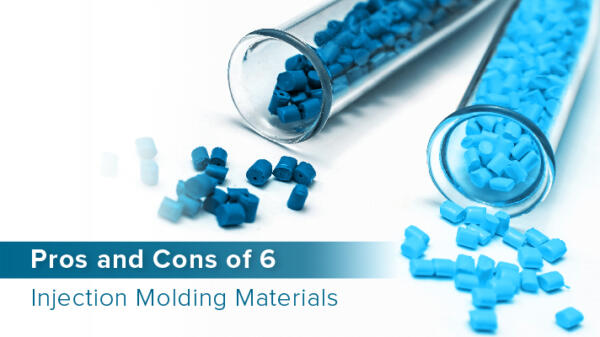
In this blog, RJG Technologies examines the pros and cons of six common injection moulding materials, including Polypropylene, Polycarbonate, Polylactic Acid, Acrylonitrile Butadiene Styrene, Polyethylene and finally, Polyamide.

In this blog, ASACLEAN, a worldwide leader in commercial purging compounds, shares three reasons why purge training should be part of your processor training.
In this blog, Telsonic UK’s Martin Frost outlines the principles and benefits of the Cut’n’Seal process which, due to its flexible nature, is leading a growing number of manufacturers to incorporate the technology within their production systems.
Wondering what plasma and plasma treatment is? In this blog, Tantec, manufacturers of plasma and corona surface treatment systems, explain what plasma and plasma treatment is in a nutshell.
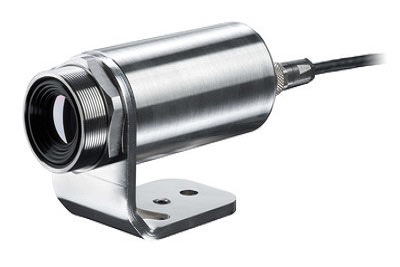
In this blog, Process Parameters, a UK-based manufacturer of Industrial Temperature Sensors, discusses how an Optris Thermal Imaging Camera can become part of your process measurement and control.
Have you thought about adopting Industry 4.0 technology but are worried about: costs, expertise, training, or the viability of connecting to existing machines? In this blog, Intouch Monitoring answers your questions about smart manufacturing technology.
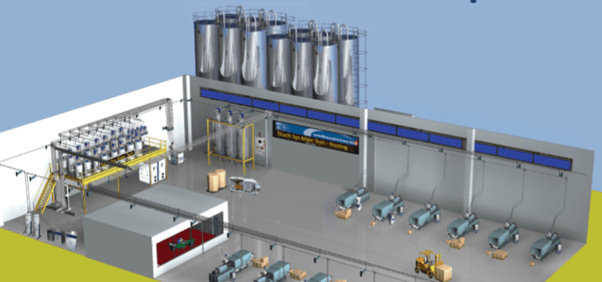
If your company is processing significant quantities of plastic material, it could be time to consider a centralised material handling and drying system. In this blog article, PlastikCity examines the benefits of moving to a centralised system and look at factors that could make such a move impractical.
Especially in these Covid times, everyone is after your online marketing spend – but what gets you ‘REAL’ results? Directories, SEO, PPC, marketing agencies or PlastikCity?
Medical device manufacturer, Europlaz, looks back at the projects it was involved in during a memorable 12 months by revisiting some of its top stories from 2020.
In this blog article, RJG Technologies outline seven ways to lower your injection moulding costs so you can improve your bottom line.
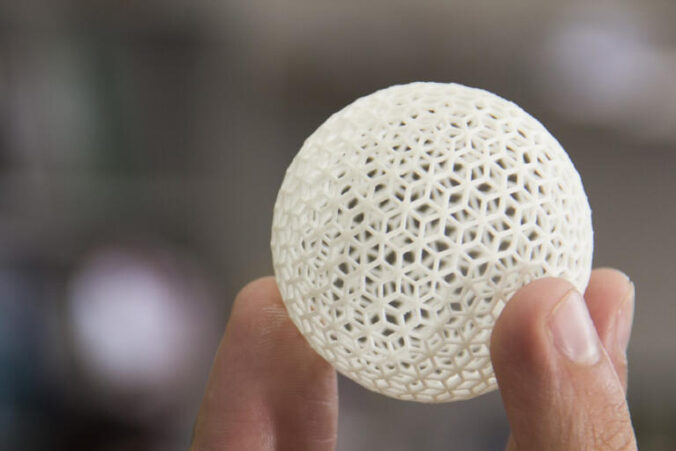
‘Here at a crossroad for 3D printing, we reflect on a truly extraordinary year – and look ahead to a new one’, writes Mark Dickin, Additive Manufacturing & Moulding Engineering Manager at Ricoh 3D in this blog article.
Let’s talk short shots — a short shot is when a plastic injection moulded part does not completely fill out — meaning a portion of it is missing, but what causes them, and how can they be prevented? Luckily, RJG has all the answers you’ve been searching for!
In this blog from the ENL Group, you’ll learn the tips and tricks that will help you gain advantages when it comes to specifying polymer for your parts, and how to avoid costly mistakes.
Donite Plastics has been using industrial thermoforming to make plastic parts that are durable, attractive and cost-effective for nearly 40 years. As one of Ireland’s leading specialists in the industry, Donite knows a thing or two when it comes to thermoformed product.
Heat creep is a sneaky irritation that most 3D printer users will experience at one time or another. It is often hard to diagnose because it often appears to be something entirely different. The team at 3D-Fuel investigate in this blog article.
Whilst we eagerly await further news on a trade agreement with the EU, our concerns for a ‘no-deal Brexit’ for the UK plastics industry centre on logistics delays and pricing. In this blog, Plastribution discusses the possible impacts on polymer pricing.
3D printing has a broad range of applications, some of which you may find both inspiring and surprising. In this blog, Central Scanning highlights some of the more unusual applications of 3D printing at the cutting edge of the technology this year.
Some may ask: Why bother with a cushion if you monitor peak shot volume? In reality, a consistent melt cushion can be just as critical in ensuring you are running a consistent process. Jim Clifford, Consultant for RJG, explains why in this blog article.
Think of all the data that needs to be captured continually in any given manufacturing plant. And consider that many plants are still operating with paper – for every job, every machine. What then are the advantages of running a paperless operation? Intouch Monitoring investigates in this article.
There are many major benefits for automating within the medical device industry, including speed, cleanliness, but more importantly, having control of the process. In this highly regulated sector, which factors will influence costs, and how can these costs be minimised? SP Automation & Robotics explain in this blog article.